Being a student-athlete isn’t merely “busy.” Trust us, it’s more like a brutal, around-the-clock negotiation with high stakes. You’re asked to kill it in three completely distinct domains—the classroom, the field of play, and your social life—and all three require 100% commitment. This triple investment always feels less like balance and a whole lot like…
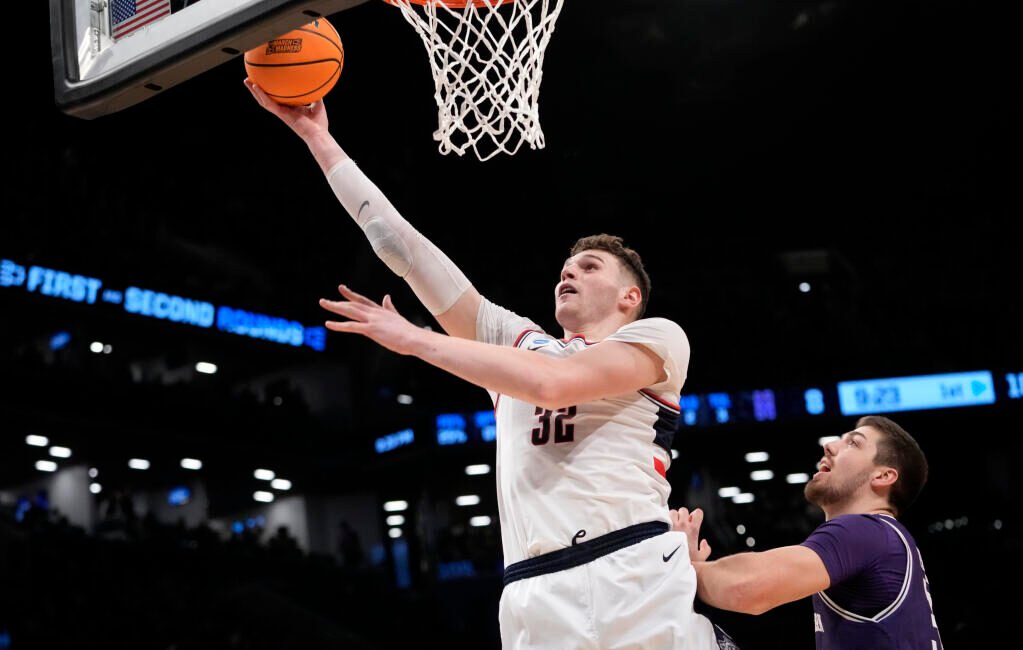
Being a student-athlete isn’t merely “busy.” Trust us, it’s more like a brutal, around-the-clock negotiation with high stakes. You’re asked to kill it in three completely distinct domains—the classroom, the field of play, and your social life—and all three require 100% commitment. This triple investment always feels less like balance and a whole lot like high-wire. That’s especially true for athletes in high-demand sports, like basketball, where travel and practice schedules just eat up your day.
The media loves to romanticize this demanding lifestyle, but the real story is usually constant exhaustion, crazy stress, and the daily, agonizing challenge of deciding which ball you’re going to drop. The secret to surviving isn’t wishing for more hours; it’s being smart. It means creating an actual strategic plan that employs your time, your energy, and your mental focus as entirely precious, non-replaceable resources. This article is about giving you the hands-on, get-it-done techniques you need to be the master of that relentless agenda. You won’t be able to just survive it, but really prosper on all three levels.
1. Time Management: You Can’t Negotiate with the Clock
Here’s the catch: The best indicator of success for a student-athlete is not necessarily raw ability. It’s how disciplined you are with your time. If you don’t make structure, the schedule is going to completely overwhelm you. Think about the numbers: A normal Division I athlete will average around 30 to 40 hours a week at their sport when it’s season. Now add 12–15 hours of class time and the 20–30 hours of study time you need. You soon discover. There are no “free” hours.
Ditch the To-Do List. Start Time-Blocking.
To-do lists are passive-they just sit there, listing tasks without nudging them to occur. That’s not going to cut it in your life. You must switch to time blocking as a sportsperson. What’s that? Simple: scheduling specific tasks into specific time slots, and then dedicating that block to compulsory practice or a booked appointment.
Your Sacred Study Spot: Identify those perfect 60-to-90-minute chunks between practices, travel, and meals. These are your Sacred Study Spots. Set them aside for your most critical work. And the bonus: Don’t let anything cut in on this time, especially teammates or social media. Seriously, a focused 60 minutes of the day is so much better than four distracted, exhausted hours later at night.
The Power Hour: When are you sharpest? Usually, right after breakfast or maybe after a little light morning exercise. Use that single hour on the subject you know you need to tackle first. Getting the toughest thing out of the way isn’t just good advice—it keeps that crushing procrastination at bay and allows you to attack tough ideas with your best mental game.
Add in Buffers: Always, always plan 15-minute buffers between tasks (like 15 minutes to shift out of gear and walk to the library). This easy hack avoids late arrival, reduces your stress, and allows your brain to shift context seamlessly.
Handling the Academic Overload (and being Smart about Delegation)
Look, eligibility is non-negotiable, so academics can never slip. But major papers, projects, or theses? Procrastination is the most dangerous opponent you’ll face. The key is proactive planning: Read the syllabus on Day One, schedule all paper deadlines and exam weeks right into your training calendar, and talk to your professors about travel conflicts before the semester is halfway through.
However, sometimes the quantity of work just seems overwhelming. Maybe it is a massive research paper or a difficult thesis with an unforgiving due date. Being a smart time manager means being able to determine when to use professional, outside academic help. Assignment help by WriteMyEssays can really make it simpler, presenting you with a tidy, stable scholastic product just when time is your most precious resource. Honestly speaking, delegating that level of sophistication frees up the critical hours you need for training, rehabilitation, or hard-core personal research (such as memorization for that big coming test).
2. Academics: Work Smarter, Not Just Harder
The funny thing is, most students think that they just need to study harder. For the student-athlete, that’s simply not an option. You’ve got to study smarter. It’s the only thing you can do.
Communication: It’s Your Academic Huddle
Your professors are human as well. But they have to be notified of your schedule and unique circumstances far enough ahead.
First Impressions: Go to office hours the first week. Seriously. Take the time to sit down with each professor. Politely hand them a printed copy of your official competition schedule. This creates a positive, professional line of communication and resolves future conflicts before they even occur.
Road Trip Rules: Get all assignments due turned in, or have plans to submit them elsewhere, before you depart. And never, ever assume you’re going to get an extension; ask for one, and have a backup plan lined up in case something goes wrong.
The Micro-Window Strategy: Travel time is not down time. That two-hour bus ride to the game is golden time. Use it! Use a small whiteboard, flashcards, or even a bare bones note-taking app and study on the go. A single study has determined intense, short study sessions work best with recall of memory than extensive, marathon study sessions. This has a direct correlation to the concept of Deep Work—focused effort with no distraction—which, based on materials like those found at the Harvard Business Review on optimum focus methods, greatly enhances cognitive output.
Where You Study Matters: The Library vs. Your Common Room
The place where you study is huge. Team study halls are great for accountability, but they’re generally terrible for focused thinking. You’ll need to find your own “Deep Work” space—maybe a quiet corner of the library, an empty classroom, or just your dorm room with some noise-canceling headphones.
And don’t forget resources you already possess in your inventory! Most university athletic departments employ tutors who fully grasp the whirlwind schedule. They’re a godsend. They can help create study plans within late practice and those dreaded early morning lifts, turning potential points of academic failure into real support sessions.
3. Maximizing Athletic Performance and Recovery
You can’t pour from a cup that’s empty. Success on the playing field requires the best of physical condition, and that physical condition is built off-court on the cornerstones of rest and diet.
Sleep: The Ultimate Performance Enhancer
Sleep is not a luxury for student-athletes; it is part of the training cycle. It is when the body restores and repairs muscle tissue, consolidates memory, and releases growth hormones. Without rest, reaction time, decision-making, and recovery from muscles are all impacted.
The 9-Hour Minimum: Research repeatedly shows athletes need 8-10 hours of rest, with the productive minimum of 9 hours to balance the physical strain of training.
Nap Strategy: A scheduled 20-30 minute power nap can refresh mental function and boost energy more effectively than caffeine. Schedule it in early afternoon, ideally before your second training session of the day but not late evening because it will disrupt night sleep.
Sleep Hygiene: Make the bedtime hour a pre-game ritual. Turn screens off, dim the lights, and do a relaxing activity like reading or gentle stretching. The NCAA is excellent at providing resources, with research that identifies how sleep deprivation impairs motor function, immune function, and emotional regulation in athletes, hence making good rest non-negotiable for sustained performance.
Nutrition: Fueling the Engine
Your lower is an elite level machine that requires proper, quality fuel at regular intervals. The “grab-and-go” nature of college life is a detractor for sports performance.
Pre-Workout Fuel: Focus on complex carbohydrates (oats, whole grain) 1-2 hours before training for long-lasting levels of energy.
Post-Workout Recovery (The Golden Hour): The first 60 minutes post-tough exercise is the most critical. Consume a combination of protein and simple carbohydrates (e.g., banana with a protein shake) to maximize glycogen resynthesis and muscle repair. Fail to fuel adequately within this window, and recovery will take days.
Hydration: Water and electrolytes are not solely for practice time. All-day, consistent hydration is needed to support blood volume, body temperature regulation, and the avoidance of performance decline in the classroom. Keep a water bottle handy at all times, and hydrate regularly.
4. The Social Life: Quality Over Quantity
The pressure of a “normal” college social scene usually results in burnout and poor choices. For the athlete student, socializing can’t be one’s presence at every event; it must be a strategic choice for mental health and camaraderie.
Redefining Your Social Circle
Your teammates often become your immediate social group—and that is okay. They receive the grueling schedule, the early morning calls, and the travel fatigue in ways that others do not. Allow time for socializing with teammates and other athletes who share your devotion to a structured regimen.
Selective Socializing: If you do socialize outside of the team, make it meaningful. Quality over quantity. An hour of genuine connection with a friend over coffee is more invigorating than an entire evening of attempting to “catch up” on the college lifestyle. Learn to say “no” to invitations that cut into your non-negotiable blocks (sleep, study, recovery). Learning to say “no” to a Friday night party means saying “yes” to a Saturday morning achievement.
Mental Health and The Pause Button
The accumulated stress of competition, travel, and scholarship stress can be downright debilitating. The student athlete is extremely vulnerable to anxiety and depression from the constant pressure. Mental health, as with physical health, is paramount.
Find Your Release: It is not a social thing; it is done by yourself. It may be meditation, listening to music, reading a non-academic book, or having 15 minutes of phone-less time. It is this small daily ritual that works like a mental “pause button” to handle stress.
Use Campus Resources: Almost every college has free, confidential counseling available. Seeking help is a sign of strength and self-awareness, not weakness. Don’t wait until you are burned out; use these resources in advance to manage anxiety, work through setbacks, and maintain a healthy focus.
Conclusion: The Endurance Mindset
Success as a student-athlete is not achieved by being perfect; it’s achieved by being consistent. It’s about owning up to the fact that your life will be tight, but using that pressure to build an impenetrable discipline. The triple-threat act of schoolwork, sports, and social life is less about willpower and more about strategy. Time your sleep, get your most difficult schoolwork done when you’re at your best, and severely discriminate about where you put your energy. If you take your energy and time seriously, you are going to have a competitive advantage that will carry with you long after your playing days are over.