The NBA is a league made of details; it is not enough to remember only the points of a game. To make accurate predictions, you must consider how often a player has the ball, how efficient his shots are, and what kind of game is being played. Then, there is a new factor to keep…
The NBA is a league made of details; it is not enough to remember only the points of a game. To make accurate predictions, you must consider how often a player has the ball, how efficient his shots are, and what kind of game is being played. Then, there is a new factor to keep in mind: shots from beyond 11 meters at the end of quarters, even if missed, no longer spoil individual percentages. This pushes some shooters to try and make field averages slightly cleaner, with indirect effects on markets tied to percentages and three-point attempts.
Before diving deeper into advanced indicators, here is a quick cheat sheet that summarizes the most reliable metrics for player props in 2025.
NBA Player Betting Cheat Sheet
Points Overs – check these first:
- Usage rate: higher usage = higher floor on attempts.
- Recent FGA trend: stable or rising attempts signal reliability.
- TS%: above-average efficiency + large volume = strong over candidate.
- Shot profile: threes + rim attempts > long mid-range.
- Opponent defense: fouls conceded, paint allowed, open three rate.
Assists Overs – the reliable indicators:
- Touches per game and time of possession.
- Potential assists: confirms creation quality beyond the box score.
- Teammates’ shot quality: good shooters turn passes into assists.
- Opponent scheme: teams that collapse on drives inflate passing lanes.
Rebounds Overs – read the environment:
- Role in rebounding scheme (primary vs. secondary rebounder).
- Presence of elite rebounders on or off the floor.
- Expected pace: more possessions = more rebound chances.
- Shot profile of opponent: teams that shoot many threes create long rebounds.
Three-Point Attempts & Makes:
- Player shot profile: high C&S volume, quick-release shooters benefit most.
- Opponent defense: teams that allow many kick-outs and perimeter looks.
- Lineup spacing: more shooters = more clean attempts.
- New heave rule: more last-second attempts without affecting FG%.
Free-Throw Overs:
- Foul-drawn rate: drivers > mid-range specialists.
- Opponent foul tendency: Undisciplined defenses inflate attempts.
- Usage: players with heavy on-ball creation generate more contact.
Lineup & Rotations – easiest hidden value:
- On/off usage spikes: when stars sit, secondary scorers explode.
- Spacing changes: shooters return → more assists; big men return → fewer boards.
- Minutes volatility: injury replacements often see stable 30+ minutes before books adjust.
Game Context – the macro layer:
- Pace: fast = overs across the board, slow = unders.
- Matchups: paint-tight defenses push threes; perimeter-weak defenses inflate drives.
- Role shifts: new starters or bench promotions can swing props dramatically.
Volume + Efficiency + Context = 90% of prop accuracy. Whenever two of the three align, you have a statistically supported angle.
Understanding play volume and role in offense makes the difference in points and shots markets
The first thing you must look at is volume, which is made of minutes, attempted shots, and usage. Usage is the share of possessions a player uses when he is on the court. If usage is high, it protects the over on points because the offense runs through his hands often. Not by chance, the seasons with the highest scoring numbers are the ones with out-of-scale usage.
If you paid attention, you surely noticed this in the top scorers of recent years who had high usage scores. Basically, if the role changes, the expected number of shots increases and, as a consequence, the over becomes more realistic. Recent usage values among league leaders have shown how offensive responsibility inflates points and free-throw attempts.
Sustainable efficiency explained simply with true shooting percentage and shot profile
After volume, efficiency matters. The most practical metric is True Shooting Percentage (TS%), which incorporates twos, threes, and free throws. It is a thermometer of how much each shot yields. A TS% above average, combined with many attempts, is gold for overs. Pay attention also to shot profiles; those who rely on threes and layups maintain efficiency better than players who take many long two-pointers.
As for betting, if a player has a good TS% but fluctuating volume, the over is more fragile. If he has a good TS% and stable volume, the over stands. Several Italian analyses have put these metrics back in the spotlight, useful also for distinguishing truly hot streaks from simple bursts.
A quick note on applying these insights with promos
When these efficiency and shot-profile reads line up, you start spotting strong angles in player props. In US markets, many bettors use welcome bonuses or insured bets to test these data-backed ideas with reduced risk. For a quick overview of what is currently offered, resources such as the Fanatics sportsbook promo provide examples of how these bonuses work and how they can be applied specifically to overs on points, threes, or efficiency-driven props.
Real assists vs. potential assists: how to read overs on assists without getting fooled
Box-score assists depend on teammates making shots, which is why it helps to look at indicators such as potential assists and touches, together with time of possession. If a playmaker keeps many touches and creates many clean looks but his teammates shot poorly the previous game, his under on assists may have been unlucky and the over in the next game may be worth considering.
Rebounds and fouls drawn are fuel for PR and free throws
For rebound overs, height and raw averages are not the only factors; the defensive rebounding role, the presence of a vacuum cleaner big man in the lineup, and expected pace also matter. For free throws, look at the foul-drawn rate and the tendency of the opposing defense to send players to the line.
Players who attack the rim consistently turn bad shooting nights into points from the stripe. It is a safety blanket which, combined with high usage, supports overs on points. These readings are simple, but when combined, they explain many next-day box-score surprises.
Lineup impact, on/off splits and why rotations change the value of props overnight
Pure numbers never tell the whole story unless you consider who is on the floor with a player. On/off splits and lineup data explain why a scorer suddenly jumps from 18 to 27 points or why a playmaker’s assists fluctuate so heavily. When a secondary ball handler sits, usage and touches shift dramatically; when a high-gravity shooter returns, driving lanes and assist opportunities open up.
Net rating and offensive rating on/off splits show how efficient a team becomes with specific combinations. A creator might average similar field-goal attempts across games, yet his efficiency improves when surrounded by shooters who stretch the defense or a big man who sets solid screens. For props, this means that the “same player” is not the same in every lineup.
Lineup changes driven by injuries, rest, or new rotations often create hidden value. If a star teammate is out, expect higher usage and more late-clock possessions. If a strong rebounder returns, rebounding props for others often decline. These adjustments are reflected more slowly in betting lines than in the numbers themselves, and this is where attentive bettors find their edge.
Matchups, pace, and new rules are shifting markets on three-point attempts and shooting percentages
Context decides the game. If facing a defense that concedes many catch-and-shoot threes on kick-outs, raise expectations on supporting shooters and assists from the primary creator. On the contrary, against defenses that shut down the paint, free-throw overs for stars can become more interesting. Also, remember that the heave rule has an indirect effect: desperate last-second shots are attempted more often, so single games may include one or two shots from beyond 11 meters without affecting a player’s FG%. The success rate of those shots remains very low (around 4%), so they don’t shift points but may affect recorded team three-point attempts and qualitative game interpretation.
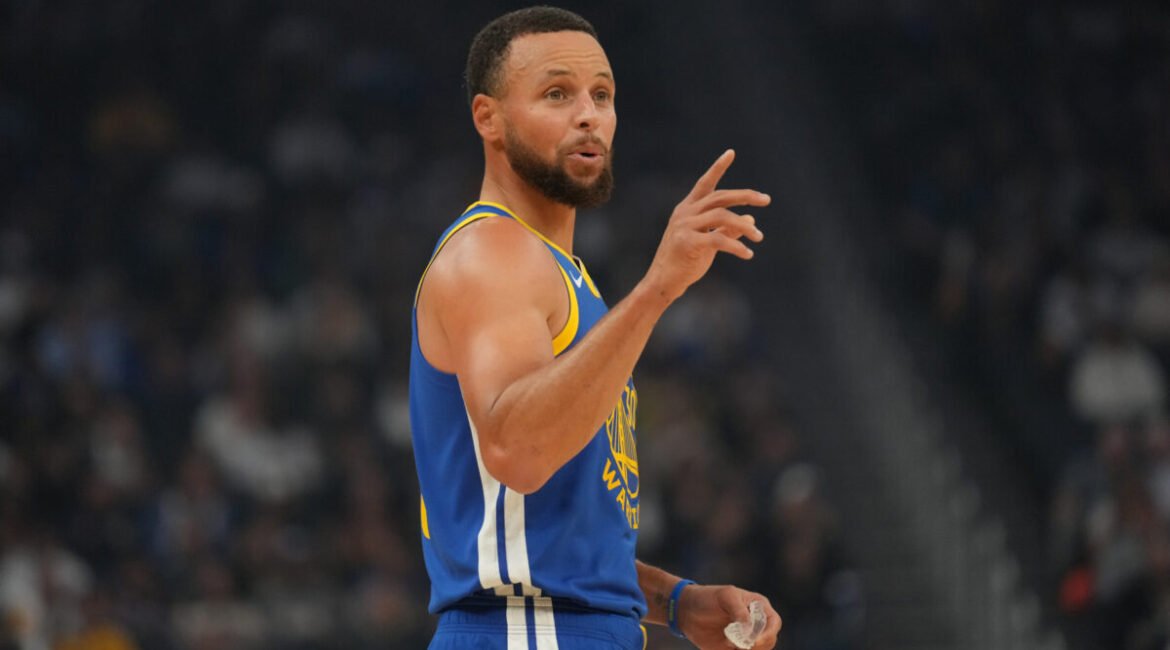
To understand the significance of the three-pointer in today’s basketball, consider that in the 2024-25 season, Curry made 311 threes, a testament to an NBA where the three-pointer is at the core of possessions and shapes the points and three-point attempt markets of pure shooters and secondary scorers.
A quick statistical map for simpler props without complicating your life
To avoid getting lost in numbers, keep these simple pairings between metric and market:
- Over points: usage, recent shot attempts, TS%, and share of shots at the rim or from three. Bonus if the opposing defense concedes many fouls or open catch-and-shoot looks.
- Over assists: touches, time of possession, potential assists, and the tendency of the opposing defense to collapse on the ball handler. If the opponent concedes a high assist percentage, your creator has a priority lane.
In short, you do not need to be a data scientist. You simply need to connect two or three key indicators, such as volume, efficiency, and context, and your predictions on players immediately become more solid. In 2025, the game moves fast, but the right numbers remain reliable allies, especially if you get used to reading games and following all the updates.
With practice, these concepts become increasingly intuitive, allowing you to recognize trends earlier, adjust your expectations with more confidence, and avoid emotional bets based only on highlights or reputation. This mindset helps maintain discipline and consistency.
In a market where lines adjust quickly, the combination of numbers, context, and discipline will always beat intuition alone.