Sometimes it only takes one sentence to spark a crack. And the one delivered by Rudy Gobert before Tuesday’s game sounded like a pointed message inside the Minnesota Timberwolves locker room. The return of Kyle Anderson (who immediately saw action in the 117-110 win over the Grizzlies) was welcomed enthusiastically by the French center, but…
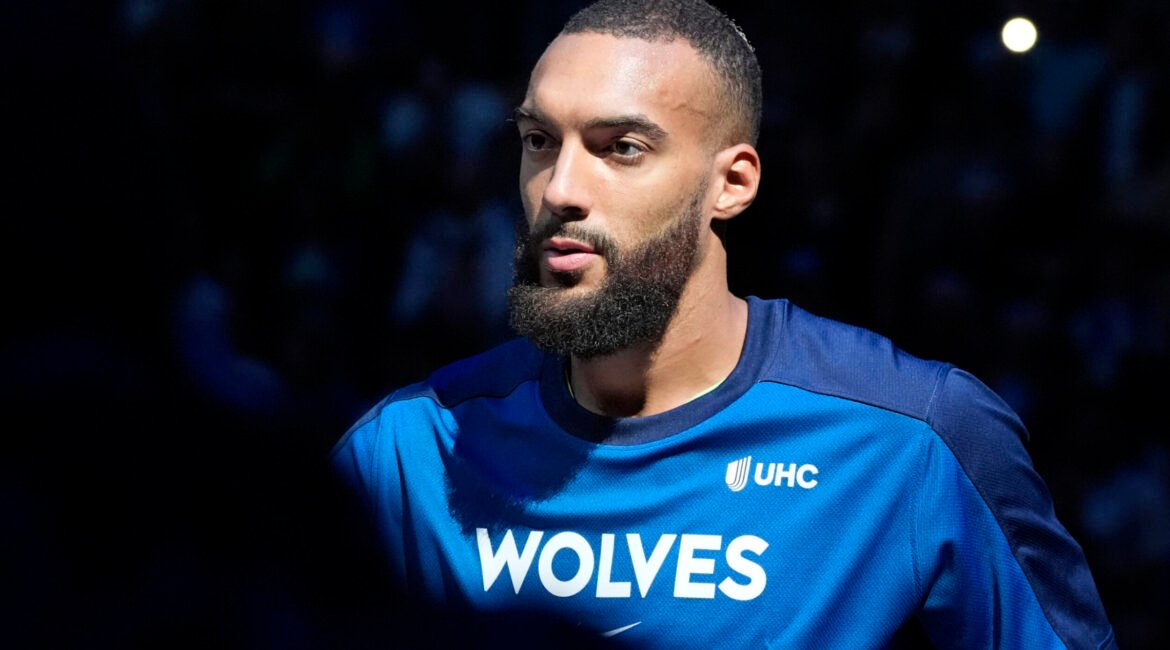
Sometimes it only takes one sentence to spark a crack. And the one delivered by Rudy Gobert before Tuesday’s game sounded like a pointed message inside the Minnesota Timberwolves locker room.
The return of Kyle Anderson (who immediately saw action in the 117-110 win over the Grizzlies) was welcomed enthusiastically by the French center, but the reason goes beyond simple on-court nostalgia.
I just think about moving the ball. I’ll be honest… someone (Kyle Anderson) who’s looking to pass it to his teammates. Simple, right? He’s a connector, someone who creates for others
Rudy Gobert
Read between the lines, and it sounds like a critique of the team’s current offensive flow. The numbers support that narrative: Gobert is attempting just 6.3 shots per game, his lowest mark in nearly a decade, while Minnesota ranks only 14th in team assists.
In a system where Anthony Edwards (41 points against Memphis) and Julius Randle (a 23-point, 11-rebound double-double) dominate many possessions in isolation, the risk is that everyone else gets pushed to the margins.
Anderson represents the ideal antidote: quick reads, fluid ball movement and impact without needing high offensive volume. He doesn’t change the hierarchy, but he can change the tempo. And in a tightly packed Western Conference, with Minnesota sitting fourth at 38-23 and the margin razor-thin in the heated race for the third seed, every detail matters.
This isn’t just a statistical issue – it’s about identity. Do the Timberwolves want to be a team built on sharing the ball, or one fueled by individual bursts? Gobert has sent the message. Now the response has to come on the court.